
Learning does not have to stop when you leave the lecture hall. Free online courses give South African students a chance to build new skills, explore subjects outside their degree and prepare for the world of work, all without paying course fees. Whether you want to learn a programming language, improve your writing, understand data or pick up a new language, there is a free course that can help you get started. The challenge is not finding courses, because there are thousands of them. The challenge is choosing the right ones and finishing them. This guide explains how to use free online courses in a way that actually helps your studies and your future.
Decide Which Skill You Want to Learn
Before you sign up for anything, decide what you want to get out of the course. A clear goal makes it much easier to choose, and it keeps you motivated when the work gets hard. Think about the skills that would help your degree, such as academic writing, research or working with spreadsheets. Think about the skills employers look for, such as coding, digital marketing or project management. Write your goal down in one sentence, for example, ‘I want to learn the basics of coding so I can build a simple website.’ A course that matches a clear goal is worth far more than five courses you never finish.
Choose a Trusted Course
Not every free course is worth your time, so check the course before you start. Look at who created it. Courses from well-known universities, large technology companies and respected learning platforms are usually a safe choice. Read the course description carefully and check what you will learn, how long it takes and what level it is aimed at. Check whether the course is really free. Some courses are free to study but charge for a certificate, so decide in advance whether you need a certificate or whether the knowledge is enough.
Make Time to Learn Every Week
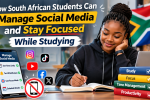
Online learning only works if you make time for it. Treat your free course like a real class and put it in your weekly plan. Even two or three short sessions a week are enough if you stick to them. Choose a regular time, such as early in the morning or after your lectures, and protect it from distractions. If you fall behind, do not give up. Just pick up where you left off and keep going. Small, regular progress beats a big burst of effort followed by weeks of nothing.
Practise What You Learn


Watching videos is not enough. You only really learn a skill by using it. If you are learning to code, write small programs of your own. If you are learning a language, speak and write in it every day. If you are learning design, make something real, even if it is only a poster for a student society. Take notes in your own words and test yourself at the end of each section. Many courses include quizzes and assignments, so do them properly instead of skipping to the answers. At the end of the course, try a small project that uses everything you learned. That project will teach you more than the course itself, and it gives you something to show other people.
Show What You Learned
When you finish a course, make sure your effort counts. Add the skill to your CV and mention any project you completed, because employers care more about what you can do than about a list of course names. If the course offers a free certificate, download it and keep it safe. You can also add completed courses to your professional profile online. Talk about what you learned in interviews and be ready to show examples of your work. A free course will not replace your degree, but it shows that you are curious, disciplined and willing to keep learning. Those are qualities that lecturers and employers notice.
Conclusion

Free online courses are a powerful tool for South African students, but only if you use them with a plan. Choose a skill with a clear goal, pick a trusted course, make time every week and practise what you learn. Finish what you start, and show your work to the world. A few well-chosen courses can build skills that help your studies, strengthen your CV and open doors you did not expect. Start with one course, one lesson and one hour this week.