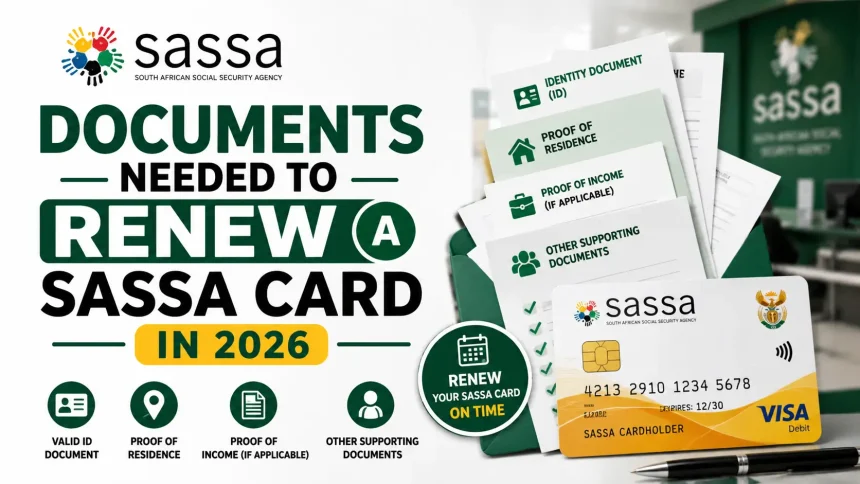
Renew a Sassa Card. The South African Social Security Agency (Sassa) provides financial support to millions of South Africans through various social grants. These grants help beneficiaries cover essential living expenses such as food, healthcare, transportation, and other daily needs. To access these payments safely and conveniently, beneficiaries use their Sassa cards.
If your Sassa card has expired, is damaged, or needs to be replaced, it is important to know which documents you need before visiting the relevant office. Having the correct paperwork can help speed up the renewal process and prevent unnecessary delays.
This guide explains the documents required to renew a Sassa card, the benefits of the Postbank Black Card, and other important information every grant recipient should know.

Why Renewing Your Sassa Card Is Important
Your Sassa card is the key to accessing your monthly grant payments. An expired or damaged card may prevent you from withdrawing money, paying for purchases, or using banking services linked to your grant.

Renewing your card on time ensures uninterrupted access to your social grant and allows you to continue using secure payment services at approved locations across South Africa.
Documents Needed to Renew a Sassa Card
Before visiting a Sassa or Postbank service point, make sure you have the required documents with you.
1. South African Identity Document (ID)

The most important document you must present is your valid South African Identity Document. This confirms your identity and allows officials to verify your grant information.
2. Official Sassa Proxy Letter (If Applicable)
If you are collecting or managing a grant on behalf of another person, you must bring the official Sassa proxy letter. This document confirms that you have been legally authorised to act on behalf of the grant beneficiary.
Without this letter, officials may not be able to process the renewal.
3. Sassa Approval Letter for Asylum Seekers
Beneficiaries receiving an asylum seeker grant must provide their official Sassa approval letter during the renewal process.

This document confirms eligibility for the grant and helps officials verify the beneficiary’s records.
Social Grants Available Through Sassa
Sassa administers several permanent social grants designed to support different groups of vulnerable South Africans. These include:
- Older Persons Grant
- Disability Grant
- War Veterans Grant
- Care Dependency Grant
- Foster Child Grant
- Child Support Grant
- Child Support Grant Top-Up
- Grant-in-Aid
Millions of South Africans rely on these grants every month to meet their basic needs.
Sassa Postbank Black Card
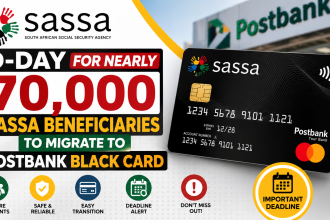
The Postbank Black Card is designed to provide beneficiaries with a modern and secure banking solution. It allows users to access their grant payments without carrying large amounts of cash.
With the card, beneficiaries can:
- Purchase goods and services at participating retailers.
- Withdraw cash from ATMs across South Africa.
- Access services at Post Office branches.
- Perform secure banking transactions.
- Reduce the need to carry cash.
The card offers a safer and more convenient way to manage grant payments while improving financial accessibility.
Mzansi Account Features
The Postbank Black Card is linked to a Mzansi Account, which is available exclusively to South African citizens with a valid ID.
Some of the key features include:
- Support for debit and credit orders.
- Easy management of monthly expenses.
- Secure storage of grant payments and other deposits.
- Access to affordable banking services.
However, account holders should be aware of the following limits:
- Maximum account balance: R25,000
- Maximum daily cash withdrawal: R5,000
- Only one Mzansi Account is permitted per customer.
These limits help maintain the account as a simple and affordable banking option for grant recipients.
How to Apply for a Mzansi Visa Debit Card
Individuals interested in opening a Mzansi Account and receiving a Mzansi Visa Debit Card can visit any participating Post Office branch.
Applicants should bring:
- A valid South African ID.
- Proof of residence.
Once the application has been processed successfully, customers can begin using the debit card for everyday banking and purchases.
Can Gold Card Holders Still Receive Their Grants?
Yes. Beneficiaries who still have the Sassa Gold Card can continue using it to withdraw their social grants where it remains accepted.
However, beneficiaries are encouraged to stay informed about any official announcements from Sassa or Postbank regarding card replacement programmes or future changes to payment systems.
Tips Before Renewing Your Sassa Card
To make the renewal process easier, consider the following tips:
- Carry all required documents before visiting a service centre.
- Ensure your ID is valid and in good condition.
- Arrive early to avoid long queues.
- Keep your personal information updated with Sassa.
- Never share your PIN or banking details with anyone.
- Follow only official instructions from Sassa and Postbank.
Conclusion
Renewing your Sassa card is an important step in ensuring uninterrupted access to your social grant payments. Bringing the correct documents—including your South African ID, proxy letter (if applicable), or asylum seeker approval letter—can help make the process smooth and efficient.
The introduction of the Postbank Black Card and Mzansi Account also provides beneficiaries with a secure and convenient way to receive, store, and spend their grant money. By staying informed and following official procedures, grant recipients can continue accessing their financial support safely and without unnecessary delays.