
SASSA Fires 4 Limpopo Officials. The South African Social Security Agency (SASSA) has dismissed four officials from its Limpopo office after they were found guilty of involvement in a massive R33 million social grant fraud scheme. The decision highlights the agency’s commitment to protecting public funds and ensuring that social grant payments reach the vulnerable South Africans who rely on them for financial support.
The officials were accused of manipulating the social grants system in an attempt to illegally divert millions of rand intended for beneficiaries. After an internal disciplinary investigation, all four employees were found guilty of serious misconduct. Although they later appealed the disciplinary decision, their appeals were rejected because of the severity of the offenses.
Four Officials Dismissed After Internal Investigation
According to SASSA, the four employees worked in the agency’s Limpopo division and were involved in activities that compromised the integrity of the social grants system. Investigators discovered that the officials had manipulated grant records and administrative processes in an effort to facilitate fraudulent payments.

The fraudulent activities reportedly placed approximately R33 million in public funds at risk. These funds were intended to support elderly citizens, people living with disabilities, children, and other vulnerable South Africans who depend on monthly social grants to meet their basic needs.

Following the completion of the disciplinary process, SASSA terminated the employment of all four officials.
Appeals Rejected Due to Serious Misconduct
After being dismissed, the officials exercised their right to appeal the disciplinary findings. However, SASSA confirmed that the appeals were unsuccessful.

The agency stated that the evidence presented during the investigation clearly demonstrated serious misconduct, leaving no justification for overturning the disciplinary decisions. As a result, the dismissals remain in effect.
The outcome sends a strong message that employees found abusing their positions for personal gain will face serious consequences.
SASSA Reaffirms Zero-Tolerance Policy
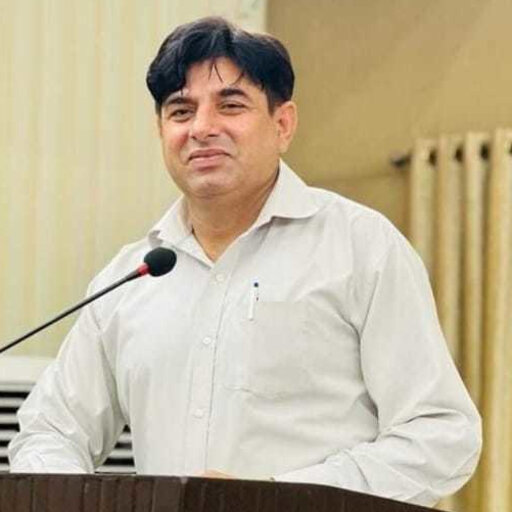
SASSA spokesperson Tebogo Tshipi said the agency remains committed to fighting fraud and corruption at every level.
According to Tshipi, fraud committed by SASSA employees is especially concerning because it directly threatens the welfare of millions of South Africans who depend on government assistance.

He emphasized that SASSA maintains a strict zero-tolerance policy toward corruption and will continue taking decisive action against anyone found undermining the integrity of the social grants system.
The agency also reaffirmed its responsibility to ensure that every rand allocated for social assistance reaches the rightful beneficiaries.
Protecting Social Grant Beneficiaries
Social grants play a vital role in supporting millions of South Africans. These grants provide financial assistance to pensioners, people with disabilities, foster parents, caregivers, unemployed individuals, and low-income families.
When fraud occurs within the system, it not only results in financial losses for the government but also affects people who rely on these payments for food, healthcare, education, and other essential living expenses.
By removing officials involved in fraudulent activities, SASSA aims to strengthen public confidence in the administration of social grants and improve accountability within the agency.
Continued Efforts to Fight Fraud
The dismissal of the four Limpopo officials forms part of SASSA’s broader campaign to combat corruption across its operations.
In recent years, the agency has introduced stricter monitoring systems, improved verification procedures, and enhanced internal investigations to detect suspicious activities more effectively.
SASSA has also encouraged employees and members of the public to report suspected fraud or corruption through official reporting channels. These measures are intended to improve transparency and reduce opportunities for criminal activity within the grant payment system.
The agency continues to work closely with law enforcement authorities whenever evidence of criminal conduct is identified.
Why This Case Matters
The R33 million fraud case serves as an important reminder of the need for strong oversight within public institutions. Social grants represent one of South Africa’s most significant social support programs, providing essential financial assistance to millions of vulnerable citizens every month.
Any attempt to manipulate the system undermines public trust and threatens the effectiveness of government welfare programs. By taking disciplinary action against employees involved in misconduct, SASSA hopes to deter future fraud and reinforce ethical standards across the organization.
The agency has stressed that protecting public resources remains one of its highest priorities and that every effort will be made to prevent similar incidents from occurring in the future.
Conclusion
The dismissal of four Limpopo officials over the alleged R33 million social grant fraud scheme demonstrates SASSA’s firm commitment to combating corruption and safeguarding funds intended for vulnerable South Africans. Despite appealing the disciplinary findings, the officials were unsuccessful, with the agency citing the seriousness of their misconduct.
SASSA has reiterated that fraud and corruption will not be tolerated under any circumstances. By enforcing strict disciplinary measures and strengthening oversight mechanisms, the agency aims to protect the integrity of South Africa’s social grant system and ensure that financial assistance reaches the people who need it most.