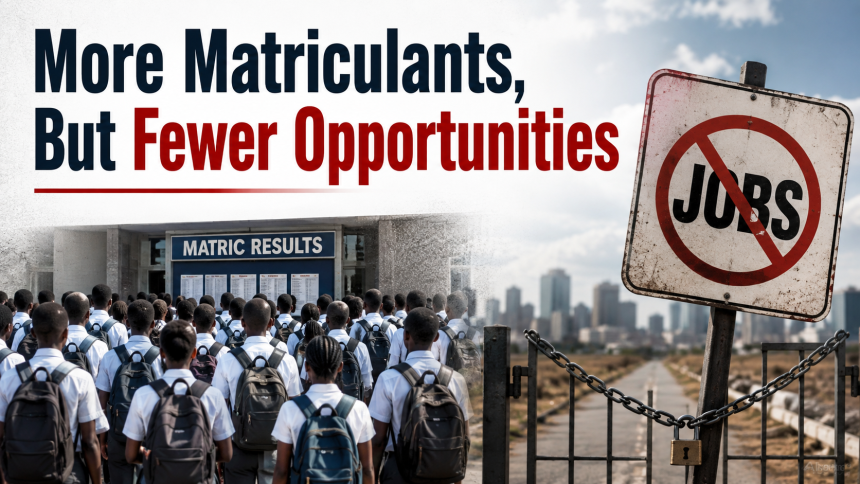
More Matriculants, But Fewer Opportunities. South Africa has made significant progress in education over the past three decades. More learners are completing matric, and an increasing number are hoping to continue their studies at universities, colleges and other tertiary institutions. However, this positive development has created a major challenge: the number of students seeking places in higher education is growing faster than the available capacity.
As the Class of 2026 prepares for the next stage of life, thousands of matriculants are likely to face uncertainty about their tertiary education opportunities. Although many learners may meet the required admission criteria, gaining a place at a preferred institution can still be difficult because traditionally popular universities receive far more applications than they can accommodate.
Growing Demand for Tertiary Education
Completing matric is an important achievement for South African learners. For many young people, however, it is only the beginning of their academic journey. Students increasingly want to obtain diplomas, degrees, certificates and postgraduate qualifications that can improve their career prospects.

The growth in secondary school completion and tertiary aspirations reflects a positive change in South Africa’s education landscape. More young people understand the importance of higher education in developing skills and improving their employment opportunities.

However, this increased demand also places considerable pressure on the country’s tertiary education system.
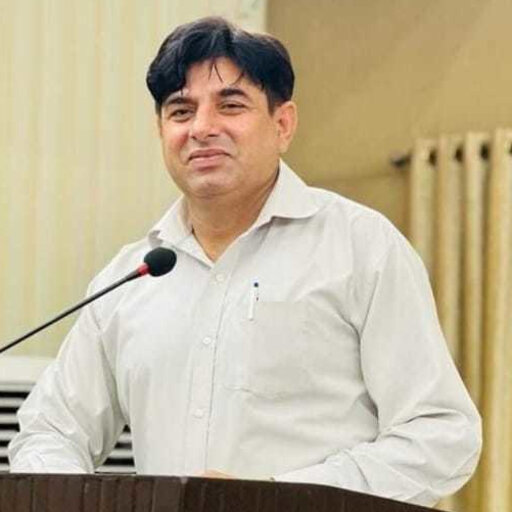
Professor Zaheer Hamid, Director and Chief Academic Officer at MANCOSA, highlights the importance of ensuring that matric success is followed by realistic opportunities for further education. According to him, students should not experience uncertainty after achieving the results required for tertiary admission simply because there are not enough available places.

The issue is therefore not a lack of ambition among young South Africans. Instead, the problem is whether the education system has enough capacity to accommodate the growing number of qualified applicants.
Public Universities Face Capacity Challenges
Public universities remain among the most popular choices for South African matriculants. Every year, these institutions receive applications from large numbers of students competing for a limited number of places.
While universities continue working to expand their programmes and infrastructure, financial constraints, limited facilities and growing student populations make rapid expansion difficult.
This creates a situation in which some learners who meet admission requirements may still be unable to secure a place in their preferred programme or institution.
The challenge demonstrates that academic achievement alone cannot solve the tertiary education access problem. South Africa also needs to expand the number of available pathways into higher education.
Need for New Approaches
South Africa’s National Development Plan has identified increased participation in tertiary education as an important national objective. The country aims to achieve a 30% tertiary education participation rate by 2030.
Reaching this target will require greater capacity across the higher education sector. Simply relying on traditional university models may not be enough to accommodate future demand.
Technology-enabled education, online learning, blended programmes and flexible study options could play an increasingly important role. These approaches can help institutions reach students who may be unable to attend conventional campus-based programmes.
For learners living far from major cities, flexible education can also reduce some of the geographical barriers associated with tertiary studies.
Private Institutions Can Help Expand Access
Accredited private tertiary education providers have an important role to play in addressing the growing demand for higher education.
Professor Hamid argues that private institutions should not be considered merely an alternative when students fail to obtain university places. Instead, they can complement the public sector by creating additional opportunities for students who want to continue their education.
Institutions such as MANCOSA have developed flexible learning models that allow students to pursue accredited undergraduate and postgraduate qualifications. Online and blended learning can also benefit working students, students with family responsibilities and learners who live far away from traditional campuses.
However, students should always verify that the institution and qualification they choose are properly accredited and recognised.
Grade 11 Learners Should Start Planning Early
Planning for tertiary education should not begin only after matric results are released. Grade 11 learners can already start researching universities, colleges and accredited private institutions.
Early preparation allows students to understand admission requirements, application deadlines, tuition costs, available programmes and different learning options.
Learners should also think carefully about the careers they may want to pursue. Choosing a qualification based only on popularity may not always be the best approach. Students should consider their interests, abilities, career goals and the skills likely to be required in the future economy.
Technology is also changing the nature of work, making digital skills, adaptability and lifelong learning increasingly important.
Financial Support Is Also Important
Access to tertiary education is not only about the availability of places. Financial affordability remains another major consideration for many South African families.
Tuition fees, accommodation, transportation, textbooks, devices and other educational expenses can make higher education difficult to access.
For this reason, stronger financial support mechanisms are needed to ensure that capable students are not prevented from studying because of financial circumstances.
Scholarships, bursaries, student funding and affordable study options can all contribute to widening access.
Collaboration Is Essential
The challenge of increasing tertiary education capacity cannot be addressed by government, universities or private institutions working independently.
Greater collaboration between public and private education providers could help create additional pathways for students. Policymakers can also support responsible growth in the tertiary sector by improving regulatory processes while maintaining appropriate academic and quality standards.
Better public awareness is equally important. Students and parents need reliable information about accredited institutions, qualifications, admission requirements and career pathways.
Looking Beyond Matric Results
The success of South Africa’s matriculants should be measured by more than examination results. Academic achievement is meaningful when learners have opportunities to use that achievement to build their futures.
As the Class of 2026 prepares for life after school, the country faces an important question: can its tertiary education system provide enough opportunities for the growing number of young people who want to continue studying?
Expanding access to quality tertiary education is not simply an education-sector responsibility. It is also an investment in South Africa’s workforce, economic growth and social development.
Conclusion
The country will need more places, more flexible learning pathways, stronger financial support and greater cooperation between different education providers. Accredited private institutions can contribute significantly to this effort by complementing the public sector and providing additional study opportunities.
Ultimately, every capable matriculant should have a realistic pathway toward further education. Ensuring that opportunity exists will be essential if South Africa wants to turn the growing success of its school system into a stronger, more skilled and economically resilient future.