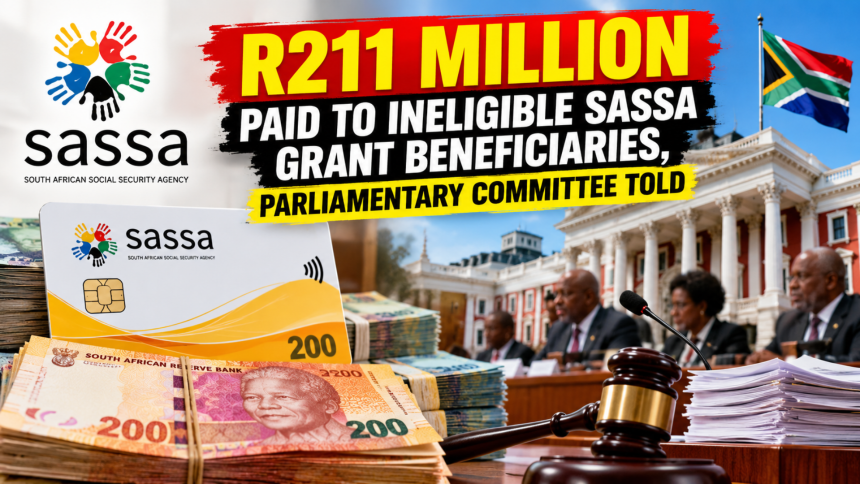
R211 Million Paid to Ineligible SASSA Grant Beneficiaries. The South African Social Security Agency (SASSA) is facing calls to strengthen its verification and payment systems after the Auditor-General of South Africa (AGSA) reportedly identified weaknesses that allowed social grants to be paid to people who were no longer eligible. According to information presented to Parliament, approximately R211 million was paid to ineligible beneficiaries, including deceased individuals and government employees who did not qualify for the payments.
The findings have raised concerns about the management of public funds and the effectiveness of the systems used to verify social grant recipients.
Parliamentary Committee Demands Stronger SASSA Controls
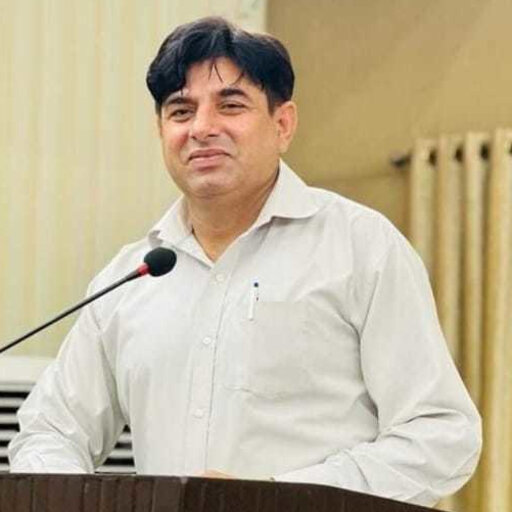
Bridget Masango, Chairperson of the Portfolio Committee on Social Development, has called on SASSA and the Department of Social Development to take urgent action to prevent improper grant payments.
Her comments followed a parliamentary briefing by the Auditor-General of South Africa on the 2025/26 audit outcomes of the Department of Social Development and its entities.
According to the briefing, weaknesses in SASSA’s payment system may have allowed grants to continue reaching individuals who no longer met the eligibility requirements. These included people who had died and government employees who were not entitled to receive the relevant grants.
Masango said the committee was particularly concerned about the weaknesses in the verification mechanisms intended to ensure that social assistance reaches the correct beneficiaries.
The committee believes that stronger checks are needed to identify ineligible recipients and prevent public money from being paid out incorrectly.
How R211 Million in Improper Payments Became a Concern
Social grants provide essential financial support to millions of vulnerable South Africans, including older people, children and individuals who meet specific disability or other eligibility requirements.
- Because these payments are funded through public resources, the government must maintain reliable records and regularly confirm that recipients continue to qualify.
- The reported R211 million in payments to ineligible beneficiaries has raised questions about whether existing verification processes are working effectively.
- For example, when a beneficiary dies, the relevant records should be updated so that payments can be stopped where required. Similarly, changes in employment or other personal circumstances may affect eligibility for certain grants.
- If information is not updated promptly or verification systems fail to identify these changes, payments may continue when they should no longer be made.
However, the reported findings do not necessarily mean that every case involved deliberate fraud. Incorrect payments can result from administrative delays, outdated information, weaknesses in data sharing or failures in internal controls.
Department Receives Qualified Audit Opinion
The committee also expressed concern about the Department of Social Development receiving a qualified audit opinion for the 2025/26 financial year.

A qualified audit opinion generally means that auditors identified significant issues in particular areas of an organisation’s financial statements or reporting, while the remaining areas may still be fairly presented.
Masango said the committee could not treat this audit outcome as a routine matter, particularly because the department is responsible for administering social protection programmes and protecting public resources.
She warned that continued weaknesses could expose government funds to unnecessary losses, especially when grants are paid to people who no longer meet the eligibility criteria.
The committee’s concerns extend beyond financial reporting. Effective controls are also important for ensuring that available funds reach the individuals and families who depend on social assistance.
What SASSA Is Expected to Do Next
Following the findings, the committee expects SASSA and the Department of Social Development to implement corrective measures to address the problems identified by the Auditor-General.
These measures are expected to focus on strengthening internal controls, improving beneficiary verification and preventing payments to ineligible recipients.
Possible areas for improvement include regularly comparing beneficiary records with relevant government databases, updating deceased beneficiaries’ records promptly, reviewing eligibility information and investigating suspicious or incorrect payments.
Better coordination between government departments could also help ensure that changes in a beneficiary’s circumstances are reflected in the payment system without unnecessary delays.
The effectiveness of these measures will depend on how consistently they are implemented and monitored.
Why These Findings Matter to SASSA Beneficiaries
SASSA grants are an important source of financial assistance for many households across South Africa. For eligible recipients, these payments help cover essential expenses such as food, transport, clothing and other daily needs.
Money lost through improper payments reduces the resources available to support people who genuinely qualify for assistance.
Masango emphasised that every rand lost because of weaknesses in the system is money that could otherwise help vulnerable South Africans.
The committee has therefore called for stronger verification procedures to protect public funds and improve the reliability of the social grants system.
Conclusion
The reported R211 million in payments to ineligible SASSA beneficiaries has placed renewed attention on the need for stronger financial controls and more reliable verification procedures.
The findings presented by the Auditor-General have prompted Parliament’s Portfolio Committee on Social Development to demand corrective action from SASSA and the department.
The next steps will involve addressing the identified weaknesses, improving beneficiary records and ensuring that social grants are paid only to eligible recipients.