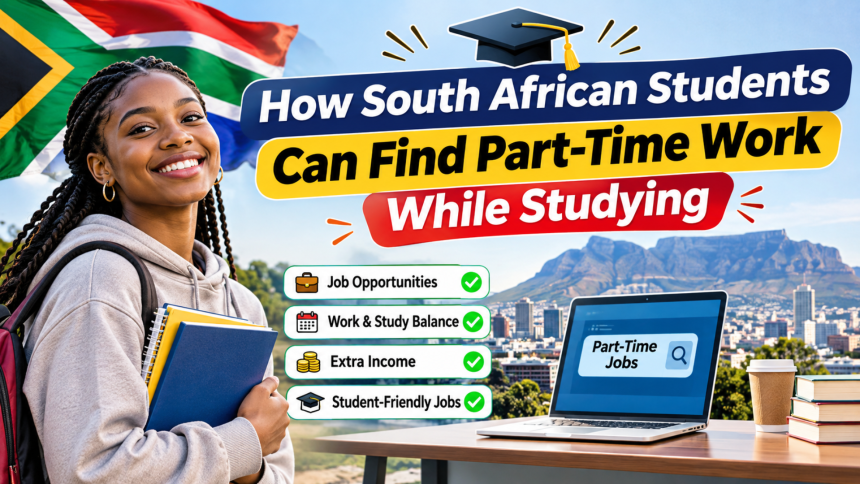
Many South African students look for part-time work to help with living costs, gain experience and build skills they can use after graduation. The challenge is finding work that fits around lectures, assignments and exams without putting your studies at risk.
The good news is that there are many kinds of part-time work suited to students. The key is to look in the right places, present yourself well and choose work that fits your timetable. This guide explains how to do that, step by step.
Start with Jobs That Fit Around Your Classes
Before you start applying, think about when you are free and what kind of work suits you. A job close to campus, with flexible hours, is usually easier to manage than one that needs long travel or fixed shifts during lectures. Some common options for students include:

- On-campus work, such as helping in the library, tutoring other students, or assisting with administration or research.
- Retail and hospitality work, such as working in shops, cafes and restaurants, often with evening or weekend shifts.
- Tutoring school learners in subjects you know well, either in person or online.
- Short-term or seasonal work, such as helping at events, promotions or holiday programmes during breaks.
Where possible, choose work that also builds useful skills. Tutoring can strengthen your understanding of a subject, while retail work builds communication and teamwork skills.
Know Where to Look

Many student jobs are never advertised widely, so it helps to look in several places at once:
- Your institution: check campus noticeboards, the student services or careers office, and your institution’s job board or student portal.
- Local businesses: ask at shops, cafes and restaurants near campus whether they need extra help, and leave your details.
- Online job sites and company websites: search for part-time roles in your area and set up alerts so you hear about new openings quickly.
- People you know: tell friends, lecturers and classmates that you are looking for work, as many jobs are filled through personal recommendations.
Prepare a Simple CV and Cover Note
You do not need years of experience to apply for student work. A short, clear CV is enough. Keep it to one page and include your contact details, your course of study, any skills you have, and any experience you can point to, including volunteering, school activities or helping in a family business.
- Tailor your CV to each job by highlighting the skills that match what the employer is looking for.
- Be honest about what you can do and when you are available.
- Check your spelling and contact details carefully before you send it.

Add a short cover note with each application. Say which job you are applying for, why you want it and when you can work.
Apply Well and Follow Up
Apply as soon as you see a suitable opening, and always follow the instructions in the advertisement, whether that means applying online, emailing your CV or handing it in in person. Keep copies of the applications you send and the dates you sent them, so you can follow up politely if you do not hear back.
Prepare for the Interview
If you are invited for an interview, find out what the employer does and think about the hours you can offer. Plan how you will get there, arrive a little early and dress neatly. Be ready to talk about your course, your strengths and why you want the job, and prepare one or two questions of your own, for example about shifts and training.
Check the Details Before You Accept
Before you accept a job, make sure you understand the hours, the pay arrangements and how shifts are planned around your studies. Ask for the main terms in writing and keep a copy. If anything is unclear, ask the employer, or speak to your institution’s careers office or student services for guidance.

Keep Your Studies First
A part-time job should support your studies, not compete with them. Be realistic about how many hours you can work, protect time for lectures, assignments and exam preparation, and tell your employer well in advance when exams are coming up. If a job starts to affect your marks, talk to your employer about reducing your hours, or look for work that fits your timetable better.
Conclusion
Finding part-time work as a student takes patience and good preparation, but the right job can ease your finances and give you skills and experience that last beyond graduation. Look in the right places, prepare a clear CV, apply with care and choose work that respects your studies. With a steady approach, you can find work that helps you now and supports your future.