Thousands of Technical and Vocational Education and Training (TVET) college students in South Africa are still waiting for their November 2026 allowances after the National Student Financial Aid Scheme (NSFAS) failed to make the expected payments on 17 November 2026. The delayed payments have raised concerns among students who rely on financial assistance to cover essential expenses, including accommodation, food, transport and other educational needs.
The Department of Higher Education and Training (DHET) has confirmed that it is working with NSFAS to resolve the payment issue and ensure that outstanding allowances are released as soon as possible. Although progress has reportedly been made, students have not yet received a confirmed payment date.
NSFAS TVET Student Allowances Delayed in November 2026
NSFAS provides financial assistance to eligible students enrolled at public universities and TVET colleges across South Africa. These allowances play an important role in helping students manage their daily living expenses while continuing their studies.

For November 2026, TVET student allowances were expected to be paid on 17 November. However, the scheduled payments did not take place, leaving many students uncertain about when they would receive their funding.

The delayed payments include financial support allocated for accommodation, tuition-related costs and other student allowances. Since these payments were the final allowances scheduled for November, the delay has created additional pressure for students who depend on NSFAS funding.
Many students use their monthly allowances to pay for accommodation, purchase groceries, cover transportation costs and meet other basic needs. Any interruption in these payments can make it difficult for them to attend classes and concentrate on their studies.
Higher Education Department Intervenes to Resolve the Issue

Following the payment delays, the Department of Higher Education and Training confirmed that it was engaging directly with NSFAS to find a solution.
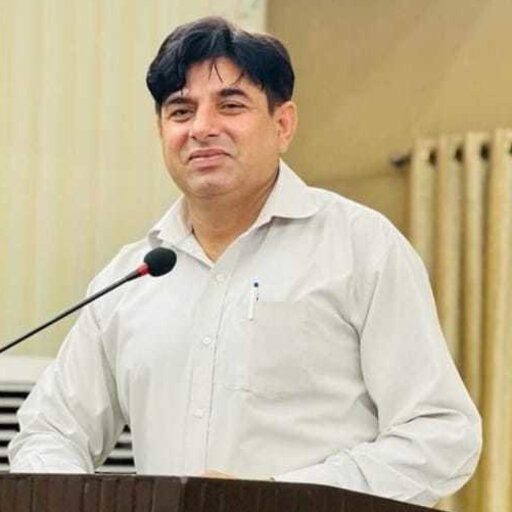
Deputy Minister of Higher Education and Training, Yusuf Cassim, reportedly raised the matter with NSFAS after receiving information about the outstanding payments.
Although NSFAS operates as an independent organisation, it reports to the Department of Higher Education and Training. This means the department can engage with the organisation and work towards resolving issues affecting student funding.
During discussions with the Deputy Minister, NSFAS explained that it could not process the outstanding payments because the budget specifically allocated for these allowances had been exhausted.

This financial limitation prevented the organisation from making the scheduled payments on 17 November.
Why Has NSFAS Run Out of Funds for Student Allowances?
According to the explanation provided to the Deputy Minister, NSFAS had used up the budget allocated specifically for the relevant student allowance payments.
As a result, the organisation needed permission to use money from other available budget allocations to cover the outstanding payments.
The Deputy Minister advised NSFAS to follow the required approval process before transferring funds from other budgets.
The proposed process involves two important steps:
- Board Approval: NSFAS must first obtain approval from its Board to use alternative budget allocations for the outstanding student payments.
- Ministerial Permission: After receiving Board approval, the organisation must submit a formal application to the Minister for permission to redirect the available funds towards student allowances.
These steps are necessary to ensure that any additional spending follows the appropriate financial and administrative procedures.
NSFAS Board Approves the Use of Alternative Funds
There has been some progress in resolving the issue.
On Tuesday afternoon, 24 November 2026, the Department of Higher Education and Training confirmed that NSFAS had successfully obtained approval from its Board to proceed with the proposed arrangement.
This is an important development because it allows the organisation to move forward with the next stage of the approval process.
However, Board approval does not automatically mean that the outstanding allowances will be paid immediately.
NSFAS must still apply to the Minister for formal permission to use funds from other budget allocations. Once the necessary approval is received, the organisation can proceed with arrangements to release the outstanding payments.
The department has not yet announced whether the Minister has granted permission or when students can expect the money to reflect in their accounts.
When Will TVET Students Receive Their NSFAS Allowances?
One of the biggest questions for affected students is when the delayed November allowances will finally be paid.
Unfortunately, there is currently no confirmed payment date.
Although the NSFAS Board has approved the use of alternative funds, the organisation still needs to complete the ministerial approval process before proceeding.
The Department of Higher Education and Training has also clarified that the Deputy Minister’s Office does not directly control NSFAS payments.
In its official communication, the department stated:
“The Deputy Minister’s Office does not control NSFAS payments and cannot commit to specific payment dates.”
This means students will need to wait for further communication from NSFAS or the department regarding the final payment arrangements.
What Should TVET College Students Do While Waiting?
Students who have not received their November 2026 allowances should regularly check official NSFAS communication channels and stay in contact with their college financial aid offices.
Here are some useful steps students can take:
- Check the official NSFAS website for announcements and funding updates.
- Monitor your NSFAS account for changes in payment information.
- Contact your TVET college’s financial aid office for assistance.
- Keep your banking and personal information up to date.
- Follow official DHET announcements regarding the outstanding allowances.
Students should also avoid relying on unofficial social media posts that promise specific payment dates without confirmation from NSFAS.
Conclusion
The delayed November 2026 NSFAS allowances have created uncertainty for TVET college students across South Africa. However, the Department of Higher Education and Training has confirmed that progress is being made to resolve the situation.
NSFAS has received approval from its Board to use alternative budget allocations, but ministerial permission is still required before the outstanding payments can proceed.
For now, students must wait for an official payment announcement. The department and NSFAS are expected to continue working towards resolving the issue so that affected TVET students can receive the financial support they depend on to continue their education.