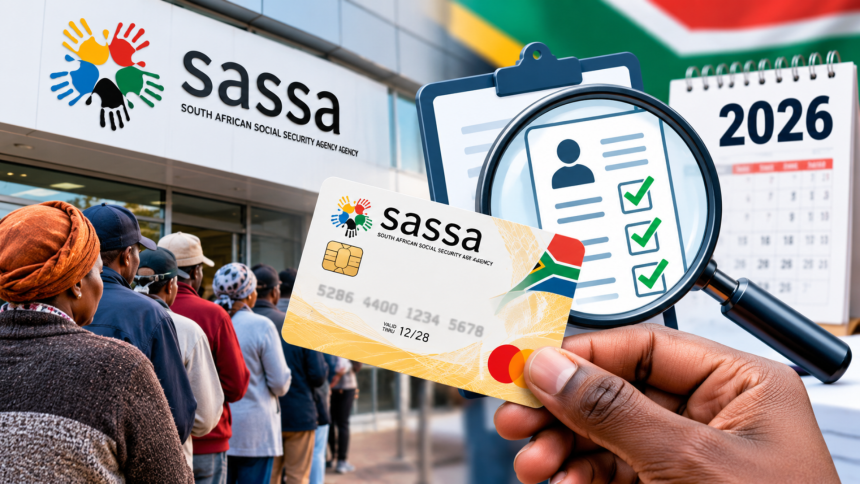
Why Social Grant Recipients Face Stricter Checks. The South African Social Security Agency (SASSA) is strengthening its verification procedures for social grant beneficiaries to prevent fraud, protect public funds, and ensure that financial assistance reaches people who genuinely qualify. The updated measures include more frequent grant reviews, biometric enrolment, and eLife certification checks.
The announcement follows concerns about social grant payments reportedly made to individuals who may not have met the eligibility requirements during the 2025/2026 financial year. The matter was also discussed by Parliament’s Portfolio Committee on Social Development.
According to SASSA, these verification measures are necessary to protect the country’s social assistance system, which provides financial support to millions of vulnerable South Africans.
Why Is SASSA Introducing Stricter Grant Checks?
SASSA administers several social assistance programmes designed to support eligible individuals and families. However, beneficiaries’ financial situations, personal details, and eligibility can change over time.

The agency says regular reviews help determine whether recipients continue to meet the requirements for their respective grants. These checks are also intended to identify irregular payments and prevent people who no longer qualify from receiving public assistance.
SASSA has acknowledged criticism of its stricter verification procedures, particularly concerns that genuine beneficiaries could face difficulties or lose access to financial support.

However, the agency maintains that these processes are intended to confirm eligibility rather than cancel grants without justification.
Beneficiaries are therefore encouraged to keep their information accurate and respond promptly when SASSA requests additional documentation or verification.
What Is the Purpose of SASSA Grant Reviews?
Grant reviews help the agency establish whether beneficiaries continue to satisfy the conditions attached to their social assistance.
Changes in personal circumstances may affect eligibility for certain grants. For example, a beneficiary’s income may increase, their employment situation may change, or their household circumstances may be different from those recorded during the original application.

SASSA expects beneficiaries to report relevant changes, including:
- Changes in income or employment status.
- Changes in marital status.
- Updates to banking details.
- Changes in residential circumstances.
- Other personal circumstances that may affect eligibility.
Failing to provide accurate information could result in additional verification, delays, or a reassessment of eligibility, depending on the circumstances.
Beneficiaries should contact SASSA through its official channels if they are uncertain about which changes must be reported.
What Is SASSA eLife Certification?
eLife certification is a verification process intended to confirm that a social grant beneficiary is still alive and remains the legitimate recipient of the payment.
According to SASSA, these checks help prevent payments from continuing when a beneficiary has died or when there are concerns about whether the rightful recipient is receiving the money.
The process also helps the agency identify situations where another person may be accessing a grant unlawfully.
Beneficiaries who receive an eLife certification request should follow the official instructions carefully and complete the required verification within the specified period.
Anyone who is unsure whether a message or request is genuine should confirm it directly with SASSA before sharing personal information.
How Biometric Enrolment Will Help Protect Grants
Another important measure is biometric enrolment, which strengthens identity verification during social grant administration.
Biometric systems use identifying characteristics to help confirm a person’s identity. Depending on the system, this may involve fingerprints or other approved biometric information.
SASSA says stronger identity checks can help reduce impersonation, fraudulent transactions, and unauthorised access to grant payments.
The main objective is to ensure that financial assistance reaches the person legally entitled to receive it.
Beneficiaries should follow official enrolment instructions and avoid providing sensitive personal information to unofficial websites, individuals, or suspicious messages.
Could Eligible Beneficiaries Lose Their Grants?
One of the major concerns surrounding stricter verification is whether legitimate beneficiaries could lose their payments because of administrative problems or difficulties completing the required checks.
SASSA has acknowledged these concerns but maintains that the purpose of verification is to establish whether beneficiaries still qualify for assistance.
Beneficiaries should not automatically assume that every verification request means their grants will be cancelled. Instead, they should carefully review official notices, provide requested information, and ask SASSA for clarification if anything is unclear.
If a grant is suspended or stopped and the beneficiary believes the decision is incorrect, they should contact the agency promptly to understand the reason and ask about the applicable review or appeal process.
What Should SASSA Beneficiaries Do Now?
Social grant recipients can take several practical steps to avoid unnecessary complications:
- Keep personal information and contact details up to date.
- Report relevant changes in income and personal circumstances.
- Monitor official SASSA announcements and notifications.
- Complete requested life certification or identity verification procedures.
- Use official SASSA channels to check grant information.
- Keep copies of submitted documents and confirmation records.
- Never share banking PINs, passwords, or one-time passwords with unverified individuals.
Beneficiaries who need assistance should contact SASSA directly rather than relying on unverified social media posts.
Conclusion
SASSA is tightening social grant verification through regular eligibility reviews, eLife certification, and biometric enrolment. These measures are intended to reduce fraud, strengthen identity checks, and protect public funds.
Although stricter procedures have raised concerns about the potential impact on genuine beneficiaries, SASSA maintains that the objective is to ensure assistance reaches people who meet the prescribed requirements.