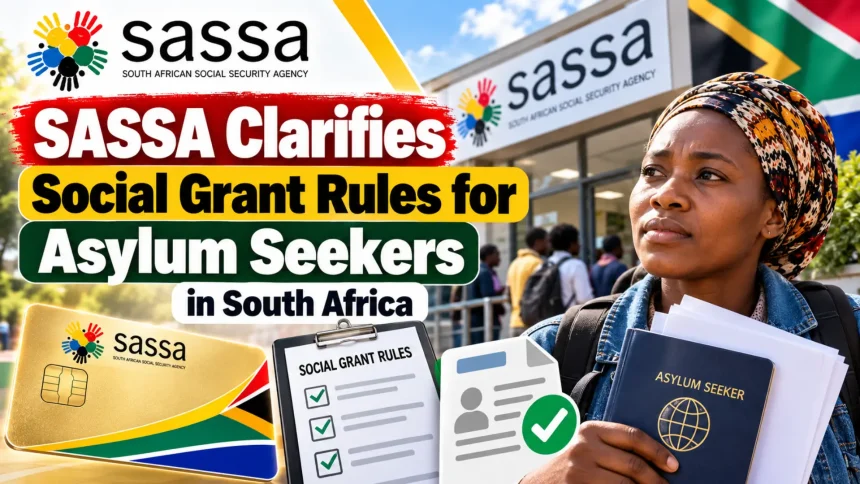
SASSA Clarifies Social Grant Rules. The South African Social Security Agency (SASSA) has addressed growing confusion about whether asylum seekers and foreign nationals are eligible to receive social grants in South Africa. The agency has clarified that undocumented foreign nationals do not qualify for social grants, while eligible refugees may receive certain forms of assistance under the applicable requirements.
The clarification comes after a Constitutional Court ruling concerning South Africa’s Refugees Act sparked public debate and misinformation on social media. Questions about asylum seekers, refugee rights and access to government assistance have become a major topic of discussion, with some online posts suggesting that asylum seekers had automatically gained citizenship or unrestricted access to social grants.
SASSA has rejected these misleading interpretations and urged the public to understand the difference between asylum seekers, recognised refugees and undocumented foreign nationals.

SASSA Explains Who Qualifies for Social Grants
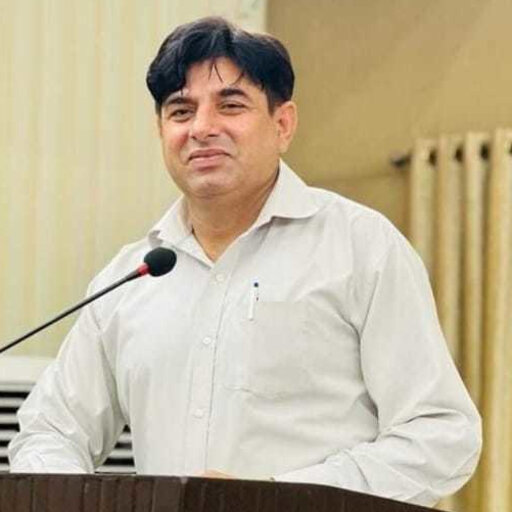
According to SASSA spokesperson Paseka Letsatsi, the agency does not pay social grants to undocumented foreign nationals. He explained that refugees who meet the relevant eligibility requirements may qualify for assistance.
Letsatsi also emphasised that refugee status does not grant every right enjoyed by South African citizens. His comments were intended to clarify the distinction between legal refugee status and citizenship, particularly amid claims circulating online about the rights of foreign nationals.
Social grants in South Africa are administered according to specific eligibility criteria. Applicants must meet the requirements applicable to the particular grant they wish to receive, and their identity and legal status may need to be verified.

The agency’s clarification does not mean that every person seeking asylum automatically qualifies for financial support. Eligibility depends on the person’s recognised status, the grant concerned and the applicable rules.
Constitutional Court Ruling Sparks Public Debate
The latest clarification follows a Constitutional Court ruling in July concerning certain provisions of the Refugees Act.
The court found parts of the legislation unconstitutional and invalid because they imposed administrative requirements that could prevent asylum seekers from having their claims properly considered.
Among the issues addressed were requirements relating to reporting to refugee reception offices within a specified period, entering South Africa through designated border points and producing certain documents.
The court determined that asylum seekers should not automatically be excluded from the asylum system merely because they fail to comply with these administrative requirements.
Instead, their asylum applications must be assessed on their merits before a decision is made to reject them.
The ruling also highlighted the potential unfairness of provisions affecting children whose asylum claims depend on the status or applications of their parents.
Importantly, the judgment concerned access to the asylum process. It should not be interpreted as automatically granting citizenship or giving every asylum seeker an unconditional right to receive social grants.
Misinformation About Refugees and Social Grants
Following the court’s decision, confusion spread across social media platforms. Some users shared claims suggesting that asylum seekers had automatically become South African citizens or had received new rights to access government benefits.
These claims contributed to public concern and debate in several communities. Protests were reportedly held in parts of KwaZulu-Natal and Gauteng as questions about immigration and access to public services attracted attention.
Screenshots and social media posts also circulated claiming that asylum seekers could receive social grants without meeting the relevant requirements.
SASSA has sought to correct these claims by explaining that eligibility is not automatic and that the agency follows verification procedures when administering payments.
Members of the public should therefore avoid relying on unverified social media posts for information about government benefits. Official announcements and relevant legal decisions provide a more reliable basis for understanding the rules.
SASSA Reveals the Number of Refugees Receiving Grants
SASSA spokesperson Paseka Letsatsi stated that 1,815 refugees receive social grants, rejecting the much higher figures being circulated on social media.
This figure was provided in the agency’s clarification reported on 14 October 2026. It challenges claims that large numbers of refugees are receiving grants without proper eligibility checks.
Letsatsi further explained that social grant payments are not necessarily permanent when beneficiary information cannot be verified. According to his statement, SASSA’s verification system removes beneficiaries whose status remains unverifiable within six months.
Verification is an important part of social grant administration because it helps the agency determine whether beneficiaries continue to meet the relevant requirements.
However, anyone whose payments are affected by a verification process should contact SASSA directly to establish the reason and determine whether additional documentation or action is required.
What the Clarification Means for South Africans
SASSA’s statement highlights the importance of distinguishing between different immigration categories and the rights attached to each status.
South African citizens, recognised refugees, asylum seekers and undocumented foreign nationals do not necessarily have identical legal rights or access to public assistance.
The Constitutional Court ruling protects access to a fair asylum application process, but it does not automatically make every asylum seeker a recognised refugee or a South African citizen.
Similarly, being recognised as a refugee does not automatically guarantee approval for every social grant. Applicants must still satisfy the applicable requirements.
People who need accurate information about grant eligibility should consult SASSA or the relevant government department rather than depending on rumours or viral posts.
How to Get Reliable Information About SASSA Grants
Anyone who wants to establish whether they qualify for a social grant should check the official SASSA website and contact the agency through its verified communication channels.
Applicants should confirm the documentation required for their particular grant, ensure their personal information is accurate and respond to legitimate requests for verification.
Beneficiaries who experience delays, payment interruptions or questions about their status should seek clarification directly from SASSA.
It is also important to protect personal information. Applicants should not share identity documents, banking details or confidential information with unverified individuals claiming to offer assistance with grant applications.
Conclusion
SASSA has clarified that undocumented foreign nationals do not qualify for social grants and that refugees may receive assistance only when they meet the relevant eligibility requirements. The agency also reported that 1,815 refugees were receiving social grants, challenging exaggerated figures circulating online.
The clarification follows a Constitutional Court ruling that strengthened asylum seekers’ access to the asylum application process by addressing certain administrative barriers. However, the ruling should not be confused with automatic citizenship or unrestricted eligibility for social grants.
For the latest information about eligibility, verification and payments, applicants and beneficiaries should rely on official SASSA communications and the applicable government rules.