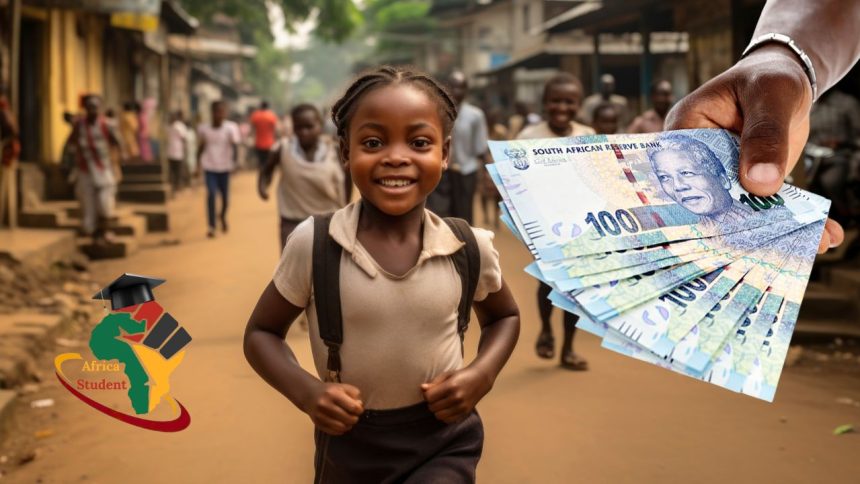
Parents Struggling to Pay School Fees in South Africa. In recent years, many South African families have faced an increasingly difficult challenge: paying school fees.
While education is meant to be a tool for social mobility and a stepping stone for a brighter future, the high cost of schooling is preventing many parents from providing their children with access to quality education. This issue is compounded by inflation, economic uncertainty, and widespread poverty, which makes the burden of school fees even more unbearable.
Cost of Education in South Africa
The reality is that school fees in South Africa, particularly in private schools, are rising year on year. Government schools, while more affordable, still have associated costs such as uniforms, transportation, extracurricular activities, and other fees, which can quickly add up. For parents already living paycheck to paycheck, these additional expenses create an unbearable financial strain.

Moreover, the COVID-19 pandemic exacerbated the situation. Many parents lost their jobs or had their income reduced, and these disruptions affected their ability to pay school fees. In some cases, schools have taken drastic measures, including suspending students or withholding report cards, which only adds to the emotional and psychological stress felt by both parents and children.
Factors Contributing to the Financial Strain on Parents
- Unemployment and Economic Instability: The unemployment rate in South Africa has reached record highs, with many households relying on a single income or informal work. This has a direct impact on their ability to meet basic needs, let alone pay for school fees. As of the latest reports, the unemployment rate in South Africa stands at over 30%, making it one of the highest in the world.
- Rising Cost of Living: As inflation continues to rise, the cost of food, fuel, and other essential items also increases. This reduces the disposable income families have available for educational expenses. Parents who are struggling to make ends meet may prioritize basic necessities over paying school fees, leading to arrears and further complications.
- School Infrastructure and Resource Needs: Schools themselves are under pressure, with many public schools struggling to maintain and improve infrastructure. This means that parents, especially those in middle-class areas, are often asked to contribute towards maintenance costs, special programs, and additional resources for their children. While these contributions help ensure that schools run smoothly, they also contribute to the growing financial burden on parents.
Impact on Children

When parents are unable to pay school fees, the consequences for children can be severe. For many students, education is the key to breaking the cycle of poverty, but financial difficulties can result in:
- Dropping Out: In some cases, children are forced to leave school due to unpaid fees, which limits their opportunities in life. This is especially common in high school, where the pressure of final-year exams and the cost of uniforms and materials become overwhelming.
- Emotional and Psychological Stress: Children who are aware of their parents’ financial struggles often face emotional and psychological stress. The stigma of not being able to participate in school activities or not being able to afford certain school-related items can harm a child’s self-esteem and confidence.
- Limited Access to Resources: In many cases, children may miss out on important educational resources or extracurricular activities because their families cannot afford them. This can limit their ability to excel academically or socially.
Government Initiatives and Solutions
The South African government has made strides in addressing the issue of school fees, particularly for those attending public schools. The National School Nutrition Program (NSNP) ensures that children from low-income families receive at least one nutritious meal during school hours, which alleviates some financial pressure.

Additionally, there are initiatives such as the school fee exemption scheme, which allows qualifying parents to apply for fee reductions based on their income. However, these measures often fall short of addressing the root causes of the financial struggles many families face.
Private Schools and Alternative Solutions
Private schools also provide a quality alternative to public education, but they come at a hefty price. While some private schools offer bursaries or scholarships, these options are limited, and competition is fierce. As such, many families are left with limited educational choices.
One possible solution is the development of affordable private school models or more affordable fee structures within existing schools. South Africa could also look into implementing a voucher system, where the government provides financial support directly to parents, enabling them to send their children to schools of their choice.
Parenting in the Face of School Fee Struggles
Parents who are struggling to pay school fees are often left feeling powerless. They may try to balance multiple jobs or cut back on essential household expenses in order to prioritize their children’s education. However, without systemic change and support, many families will continue to experience this financial strain.

It’s crucial for parents to explore all available options, such as seeking financial assistance from the school, applying for bursaries, or looking into community support networks. By working together, both the community and schools can find solutions to alleviate the burden on families.
What Can Be Done Moving Forward?
- Revisiting the National Funding Model: The government must consider increasing public funding for schools, particularly those in underprivileged areas. Ensuring that schools are adequately funded will reduce the burden on parents and improve the overall quality of education.
- More Financial Support Programs for Low-Income Families: Expanding the number of bursaries and fee exemptions available for low-income families is essential. This will enable more children to stay in school and benefit from education, which is the key to escaping poverty.
- Community-based Solutions: Communities can come together to provide support for parents struggling with school fees. Whether it’s through local fundraisers or pooling resources for communal school supplies, collaborative efforts can help alleviate some of the financial strain families face.
Conclusion
The issue of parents struggling to pay school fees in South Africa is a multifaceted problem that requires a coordinated effort from the government, schools, communities, and families. While the road to a solution may be long, South African society must continue to explore ways to make education more accessible and affordable for all children. Education should never be a privilege, but a right that every child has access to, regardless of their financial background.