Grant Payment Dates for June. The South African Social Security Agency (SASSA) has officially confirmed the grant payment dates and payment amounts for June 2026. Millions of South Africans depend on these monthly social grants to pay for essential living expenses such as food, healthcare, transportation, and education.
With more than 28 million beneficiaries across the country, SASSA continues to play a vital role in supporting vulnerable individuals and families. Around 19 million people receive permanent social grants, while approximately 9 million beneficiaries receive the Social Relief of Distress (SRD) R370 grant.
If you are a SASSA beneficiary, here is everything you need to know about the June 2026 payment schedule and the latest grant amounts.
SASSA June 2026 Grant Payment Dates
SASSA has released the official payment schedule for June 2026 to ensure that beneficiaries know exactly when their grants will be available.

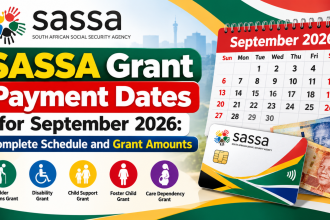
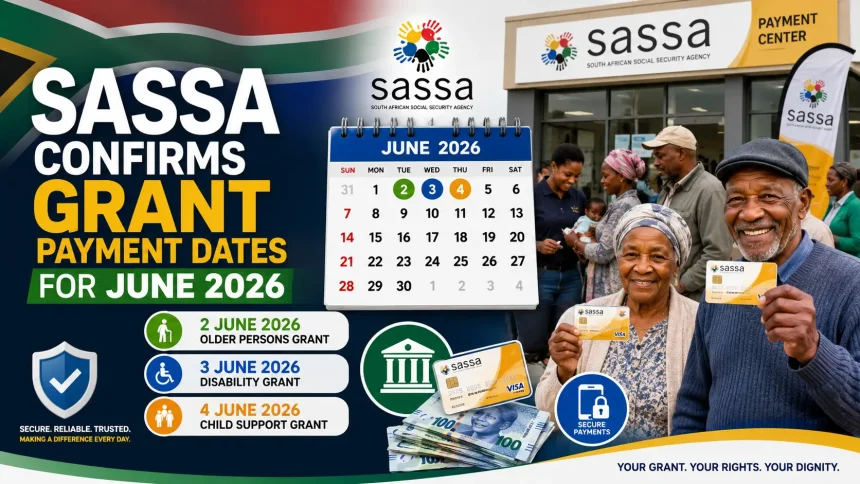
The confirmed payment dates are:
- Older Persons Grant: Tuesday, 2 June 2026
- Disability Grant: Wednesday, 3 June 2026
- Children’s Grants: Thursday, 4 June 2026
Beneficiaries are encouraged to wait for their designated payment date before visiting collection points or accessing their funds through ATMs and participating retail stores.
Updated SASSA Grant Amounts for 2026

SASSA has also confirmed the grant payment amounts that beneficiaries will receive in 2026. These grants provide financial assistance to different groups based on their circumstances.
The current grant amounts are:
- Old Age Grant: R2,400 per month
- War Veterans Grant: R2,420 per month
- Disability Grant: R2,400 per month
- Care Dependency Grant: R2,400 per month
- Foster Care Grant: R1,290 per month
- Child Support Grant: R580 per month
- Grant-in-Aid: R580 per month
These monthly payments help millions of South Africans meet their daily living expenses and maintain financial stability.
Types of SASSA Grants Available
SASSA administers several social grants designed to support different categories of beneficiaries.

Older Persons Grant
This grant provides monthly financial support to elderly South Africans who meet the required age and income criteria. It helps pensioners pay for food, housing, medication, and other everyday necessities.
Disability Grant
The Disability Grant is available to individuals with permanent or temporary disabilities who are unable to earn a sufficient income due to their medical condition.
War Veterans Grant
Former military veterans who meet SASSA’s eligibility requirements receive additional financial assistance through the War Veterans Grant.
Care Dependency Grant
Parents, guardians, or caregivers looking after children with severe disabilities can receive this grant to help cover medical and daily care expenses.
Foster Child Grant
The Foster Child Grant provides financial support to foster parents who have been legally appointed to care for children placed under their responsibility.
Child Support Grant
One of South Africa’s largest social assistance programs, the Child Support Grant helps parents and caregivers provide food, clothing, healthcare, and education for eligible children.
Grant-in-Aid
The Grant-in-Aid is paid to beneficiaries who already receive another qualifying grant but require full-time care from another person because of their physical or mental condition.
Importance of SASSA Grants
SASSA grants remain one of South Africa’s most important social protection programs. These grants reduce poverty, improve food security, and provide financial relief for millions of households.
Many beneficiaries rely entirely on these monthly payments as their primary source of income. The grants help cover essential expenses including:
- Food and groceries
- Rent and household bills
- Healthcare and medication
- School expenses for children
- Transportation costs
- Daily living essentials
Without these grants, many vulnerable individuals and families would struggle to meet their basic needs.
SRD R370 Grant Continues
In addition to permanent social grants, approximately 9 million South Africans continue to benefit from the Social Relief of Distress (SRD) R370 grant.
The SRD grant remains an important source of temporary financial assistance for unemployed individuals who meet the qualifying requirements. Beneficiaries should continue checking their application status and payment information through SASSA’s official channels.
How Beneficiaries Receive Their Payments
SASSA offers several convenient payment methods to ensure beneficiaries can safely access their funds.
Payments can be received through:
- SASSA Gold Cards
- Direct bank deposits
- ATMs
- Approved retail stores
- Designated payment collection points
Beneficiaries are advised not to rush to collection points on the first day, as the money remains safely available in their accounts until it is withdrawn.
Important Advice for Grant Beneficiaries
SASSA reminds beneficiaries to protect their personal information and remain alert to scams. Never share your PIN, banking details, or personal identification information with anyone claiming to represent SASSA unless you are using official communication channels.
Beneficiaries should also ensure that their personal and banking details remain up to date to avoid delays in receiving their monthly payments.
Conclusion
The confirmation of the June 2026 SASSA grant payment dates gives millions of South Africans certainty about when they will receive their financial support. With more than 28 million beneficiaries depending on these grants, SASSA continues to provide essential assistance that helps reduce poverty and improve the quality of life for vulnerable individuals and families. Beneficiaries should take note of the official payment dates, verify their payment method, and stay informed through official SASSA announcements for any future updates.