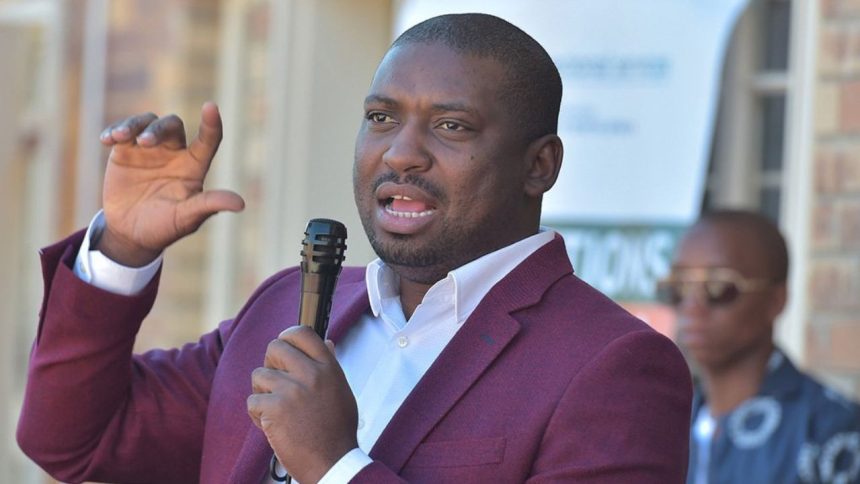
OUTA Urges New Minister Buti Manamela to Intervene in SETA Governance Failures. The Organisation Undoing Tax Abuse (OUTA) has raised the alarm once again about the persistent governance failures within Sector Education and Training Authorities (Setas) in South Africa. Following the appointment of Buti Manamela as the new Minister of Higher Education and Training, OUTA is calling for immediate reform, especially in light of long-standing corruption, mismanagement, and poor accountability.
Minister Buti Manamela Replaces Nobuhle Nkabane Amid Scandal
President Cyril Ramaphosa recently removed Nobuhle Nkabane from the Ministry after she was accused of misleading Parliament. Her replacement, Buti Manamela, is now under pressure from OUTA and civil society to reset the agenda and restore trust in the higher education and training sector.
OUTA Calls for Clean Leadership and Board Appointments
Wayne Duvenage, CEO of OUTA, stressed that the Minister’s first task should be to appoint new SETA board chairpersons, individuals who are independent of political interference and committed to accountability. OUTA maintains that the continued failure in oversight has resulted in a skills development system that no longer serves its purpose, uplifting the youth of South Africa.
“We’re calling for a frank conversation with Minister Manamela. It is time for a reset,” said Duvenage.
Issues Identified in Multiple SETAs
Despite forensic reports and numerous Auditor-General findings, leadership in several SETAs remains unchanged. The worst-affected include:
| Affected SETAs | Ongoing Issues |
|---|---|
| Insurance SETA | Implicated executives remain in power |
| Construction Education and Training Authority (CETA) | Poor procurement practices, tender irregularities |
| Services SETA | Lack of transparency and delivery failures |
| Education, Training and Development Seta | Recurring governance failures |
| Media, Information and Communication Technologies SETA | No action on forensic findings |
CETA Investigation Reveals Shocking Mismanagement

OUTA’s investigation into CETA uncovered troubling irregularities:
- Bid files left unattended
- Tenders cancelled due to sudden changes in specifications
- Contracts awarded to companies that did not submit bids
- Investigations and reports deliberately kept hidden
- Staff suspended for resisting corrupt instructions
- Whistleblowers persecuted despite being cleared
These revelations demonstrate not only poor governance but also systemic cover-ups.
Taxpayer Money Wasted: R21 Billion in SDL Contributions at Risk
SETAs are funded through Skills Development Levies (SDLs) paid by South African businesses. In 2026, taxpayers will contribute R21 billion to these bodies. Yet, there is little to no return on investment, particularly for unemployed youth.
“Executives implicated in mismanagement continue to draw large salaries and bonuses, while the essential mission of developing skills is undermined,” Duvenage stated.
Systemic Failures Extend to NSFAS and Other Education Bodies
OUTA’s broader investigation also implicates the National Student Financial Aid Scheme (NSFAS) and other entities:
- Procurement processes manipulated
- Overpriced contracts
- Failed service delivery
- Dubious individuals circulating across entities
- Stalled investigations and poor oversight
While the appointments of Dr Karen Stander as NSFAS Chairperson and Waseem Carrim as CEO are promising, OUTA believes more structural reform is urgently needed.
Three Ministers in 14 Months: Lack of Stability in the Ministry
The Ministry of Higher Education and Training has had three different Ministers in just 14 months, contributing to instability and further slowing any meaningful progress.

“We’re dealing with recycled leadership, dodgy tenders, and investigations that are hidden or ignored. That’s not oversight, that’s a cover-up,” Duvenage emphasised.
Failure to Act on Forensic Reports Wastes Public Resources
According to OUTA’s CETA report, a forensic investigation and two legal opinions—paid for using taxpayer funds—have sat idle for four years. Not a single recommendation has been implemented.
“It’s disgraceful that taxpayers fund these investigations only for the findings to be ignored,” said Duvenage.
What OUTA Demands
OUTA has submitted its full CETA investigation report to the Portfolio Committee on Higher Education, urging Parliament to take a proactive role. Their demands include:
- Transparent and independent board appointments
- Immediate action on forensic findings
- Removal of compromised executives
- Whistleblower protections
- Public access to investigations and outcomes
Conclusion
The Seta model in South Africa is broken, and unless urgent reforms are implemented, it will continue to waste billions of rands and fail the youth it was designed to empower. OUTA’s call for action is more than a request, it’s a wake-up call to restore integrity, transparency, and purpose in South Africa’s skills development framework.