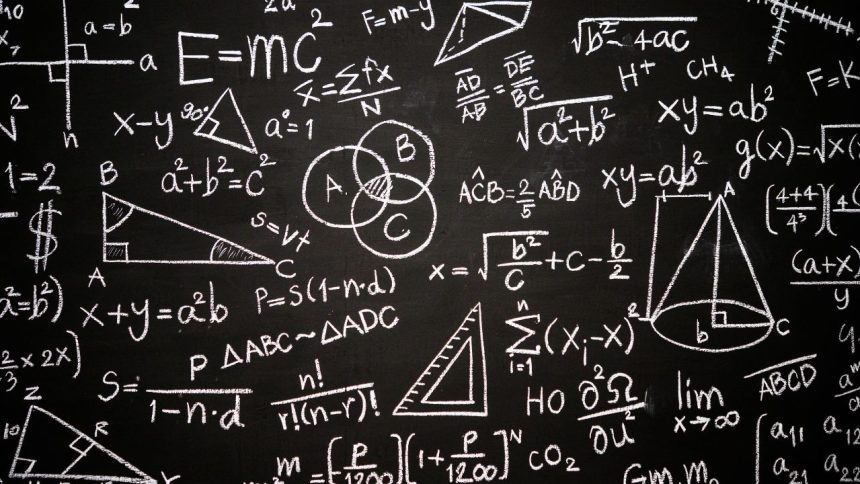
400 SA Schools Don’t Offer Mathematics. Mathematics is a cornerstone of modern education, essential for developing critical thinking and problem-solving skills. In South Africa, however, a significant number of schools do not offer mathematics, limiting students’ future opportunities and the nation’s progress.
Alarming Statistics
According to the Department of Basic Education (DBE), 464 public schools across South Africa currently do not offer mathematics as a subject. The distribution across provinces is as follows:
- KwaZulu-Natal: 135 schools
- Eastern Cape: 84 schools
- Limpopo: 78 schools
- Western Cape: 61 schools
- Gauteng: 31 schools
- North West: 31 schools
- Northern Cape: 19 schools
- Free State: 14 schools
- Mpumalanga: 11 schools
These figures highlight a widespread issue affecting both urban and rural areas.
Underlying Causes
Several factors contribute to the absence of mathematics in these schools:
- Low Enrollment Numbers: In some schools, particularly smaller or rural ones, there is insufficient student interest or enrollment in mathematics, making it challenging to justify offering the subject.
- Shortage of Qualified Teachers: A significant number of mathematics teachers lack formal subject training. The mathematics and science audit revealed that more than 50% of mathema
- Resource Constraints: Budget limitations and timetable constraints hinder schools from providing mathematics education.
Impact on Students and the Nation


The absence of mathematics education has far-reaching consequences:
- Limited Career Opportunities: Students without mathematics are restricted from pursuing careers in science, technology, engineering, and mathematics (STEM) fields.
- National Development: A workforce lacking mathematical skills hampers the country’s ability to compete in a global economy.
Government Initiatives
The DBE has implemented several strategies to address this crisis:
- Monthly Engagements: Regular meetings with Provincial Education Departments to share best practices and promote mathematics enrollment.
- Curriculum Advocacy: Encouraging schools to prioritize mathematics and strengthen teacher capacity.
- Mathematics, Science, and Technology (MST) Conditional Grant: Supporting 500 secondary schools, 300 technical high schools, and 200 feeder primary schools with resources and training.
- STEM Focus Schools Programme: Expanding access to specialized education in STEM subjects.
- Mother Tongue-Based Bilingual Education (MTbBE): Implementing bilingual instruction to improve comprehension.
- Early Childhood Development (ECD): Strengthening foundational education to prepare students for future learning.
Recommendations for Improvement

To further address the mathematics education crisis, the following actions are recommended:
- Enhance Teacher Training: Implement comprehensive training programs to ensure teachers are well-equipped to teach mathematics effectively.
- Incentivize Mathematics Teaching: Provide incentives to attract and retain qualified mathematics teachers, especially in underserved areas.
- Community Engagement: Involve parents and communities in promoting the importance of mathematics education.
- Monitor and Evaluate: Establish robust monitoring systems to assess the effectiveness of implemented strategies and make necessary adjustments.
Conclusion
The lack of mathematics education in numerous South African schools is a pressing issue that requires immediate attention. By understanding the underlying causes and implementing targeted strategies, it is possible to reverse this trend and ensure that all students have access to quality mathematics education, thereby securing a brighter future for the nation.